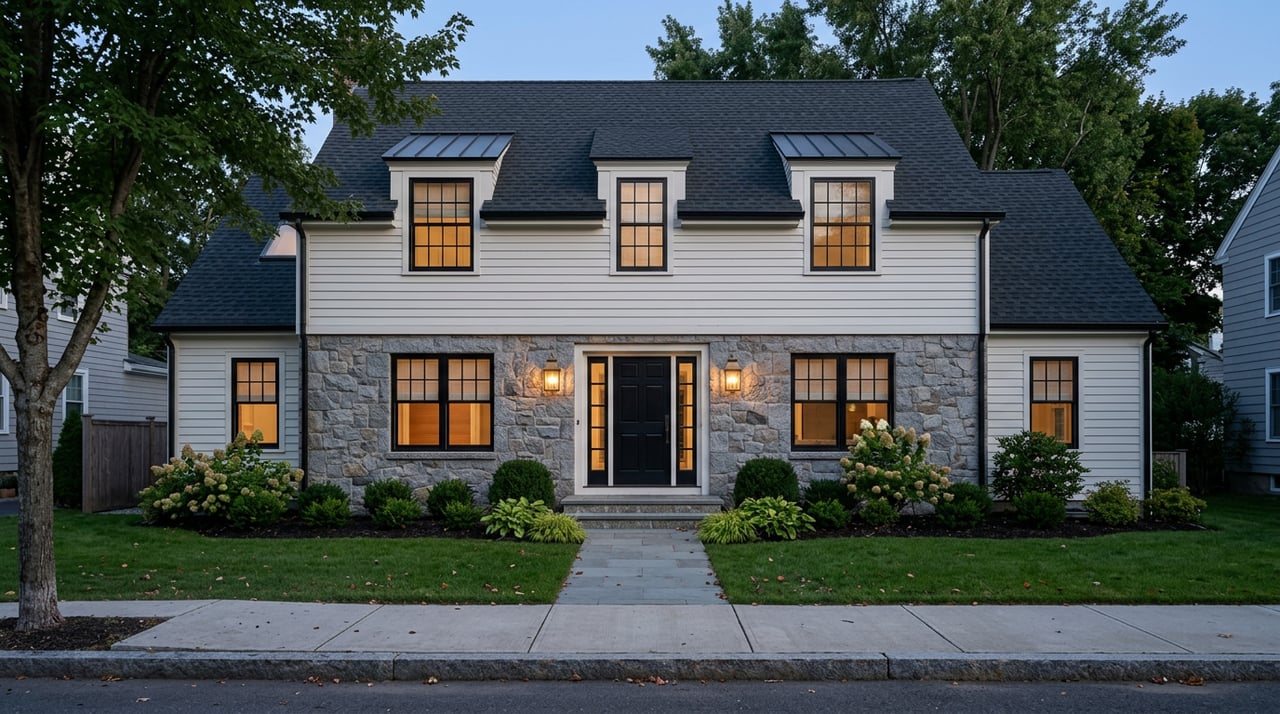
How Brookline Single-Family Homes Compare to Nearby Towns
March 5, 2026
March 5, 2026
Should you pay a premium for Brookline or head a few miles out for more land and house? If you are weighing single-family options across Brookline, Newton, Belmont, Wellesley, Needham, and Norfolk, you are not alone. You want the right mix of price, yard, commute, and neighborhood feel. This guide breaks down what changes when you cross a town line so you can match your priorities to the right address. Let’s dive in.
Recent public market snapshots place Brookline’s single-family median roughly in the 1.6 million to 2.0 million range. Newton often trends a bit below Brookline’s peak medians, while Belmont is commonly in the low-to-mid 1 million range with monthly variation. Wellesley frequently sits in the 2 million plus band for single-family homes, and Needham’s pricing varies by neighborhood but is a strong middle-ring market.
If you are stretching your budget, Norfolk often provides more space per dollar. Q4 2025 reporting showed the town’s median single-family sale prices under 900,000, a useful benchmark if you want land without Boston-proximate pricing. You can review recent trend context on Norfolk through PropertyShark’s town page for additional color on pricing and inventory patterns in that market. For example, PropertyShark’s Norfolk market overview highlights lower price points relative to inner-ring suburbs.
Prices shift month to month. Always confirm the most recent single-family sold comps for the specific neighborhood and state whether you are looking at median sold price or current list price when you compare.
Brookline’s history as a streetcar suburb shows up in lot sizes. The town’s zoning allows single-family lots as small as 4,000 square feet in certain districts, which helps explain why many homes have modest side yards and compact backyards in transit-rich areas. You can see these dimensional rules in the Town of Brookline zoning table.
By contrast, Newton, Belmont, and Needham generally offer larger lots, often in the 10,000 to 20,000 square foot range in many villages. Wellesley includes districts with 10,000 to 40,000 plus square foot minimums and areas with estate-scale properties. Norfolk frequently features half-acre or larger lots, making it a clear option when yard and privacy lead your wish list.
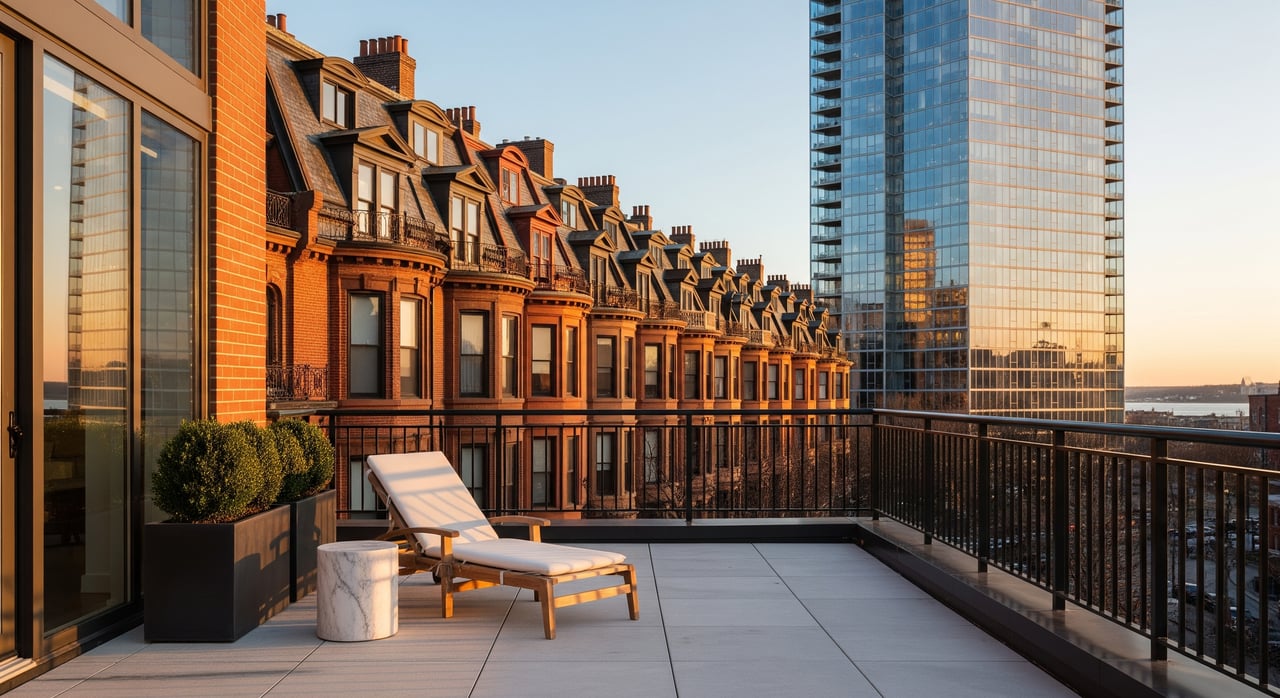
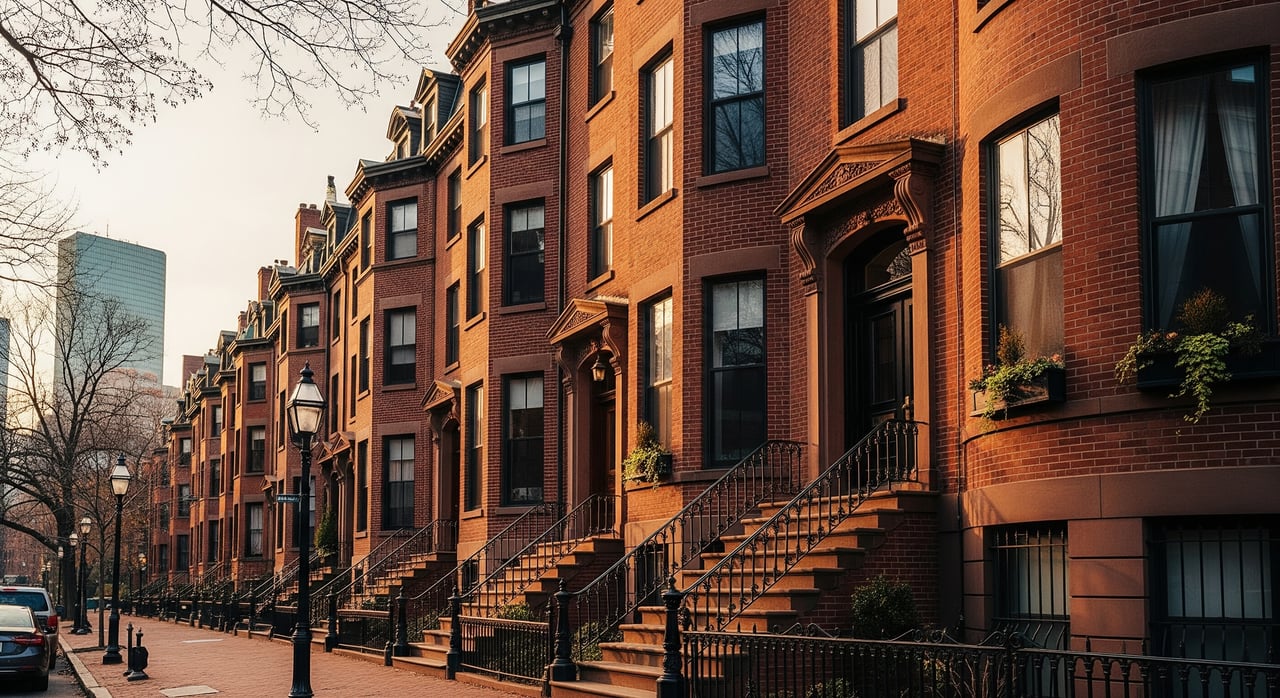
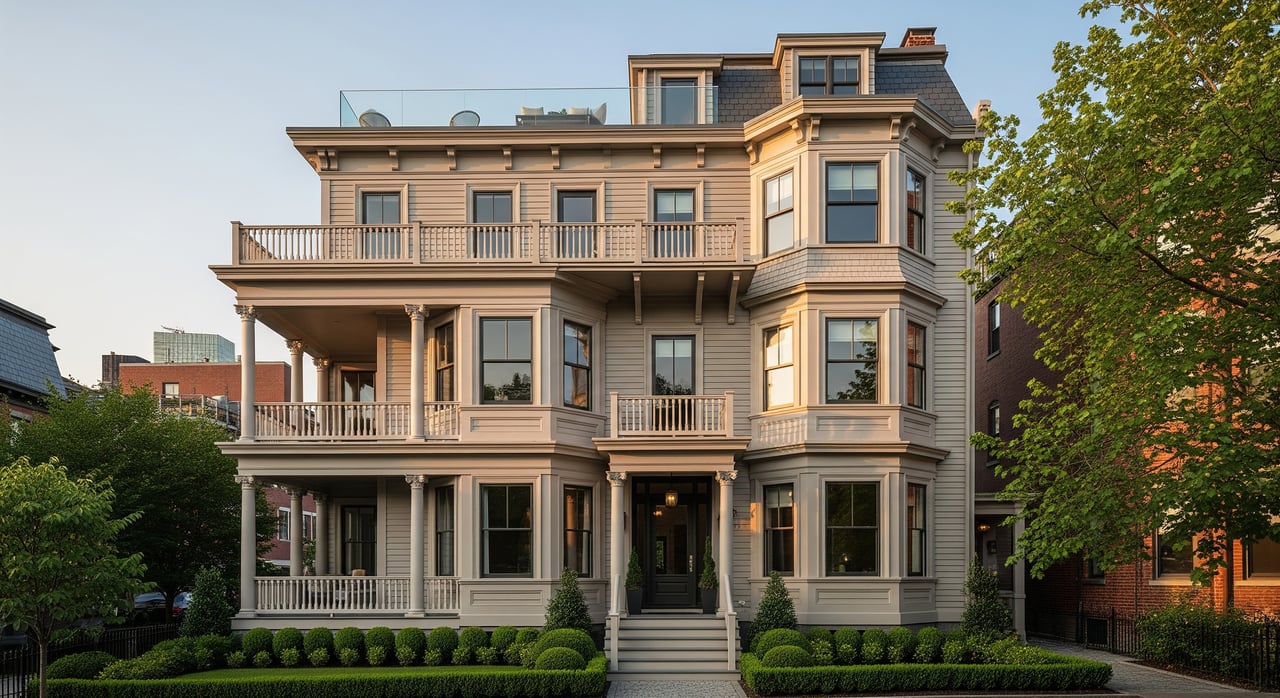
Brookline’s single-family stock leans historic, with late 19th and early 20th century architecture like Queen Anne, Shingle, Colonial Revival, Tudor Revival, and Craftsman. The town also includes protected historic districts that reinforce its period character. For a flavor of the fabric and preservation context, the Brookline Historical Society’s profiles are a good starting point.
Newton, with its 13 villages, mixes well-preserved Victorian and Colonial Revival homes with early 20th century subdivisions and larger houses in places like Chestnut Hill. Belmont offers classic New England homes with a compact town center. Wellesley features many larger Colonial and Georgian-inspired houses and some estate-scale properties. Needham combines older center neighborhoods with later suburban subdivisions and post-war ranches. For broader context on preservation and architectural resources in the inner ring, see Newton’s historic preservation pages.
If a short, simple commute is a top priority, Brookline often wins. Multiple MBTA Green Line stops serve Brookline along the C and D branches, including Coolidge Corner, Brookline Village, Washington Square, Brookline Hills, and Reservoir. This rail coverage shortens door-to-downtown trips for many households. You can explore station coverage on the Boston MBTA map.
Town-level commute averages from the American Community Survey provide helpful context. Brookline’s mean travel time to work is about 27 minutes. Nearby close-in towns are in a similar range: Newton around 26 to 27 minutes, Wellesley around 27 minutes, Needham around 28 minutes, and Belmont around 29 minutes. Norfolk’s average is longer at about 36 minutes, reflecting more driving or commuter rail dependence. You can view the ACS mean for Brookline and Norfolk on Census QuickFacts.
Actual travel time depends on your address, destination, time of day, and mode. Before you commit, test representative trips by car, Green Line, and commuter rail during your typical commute window.
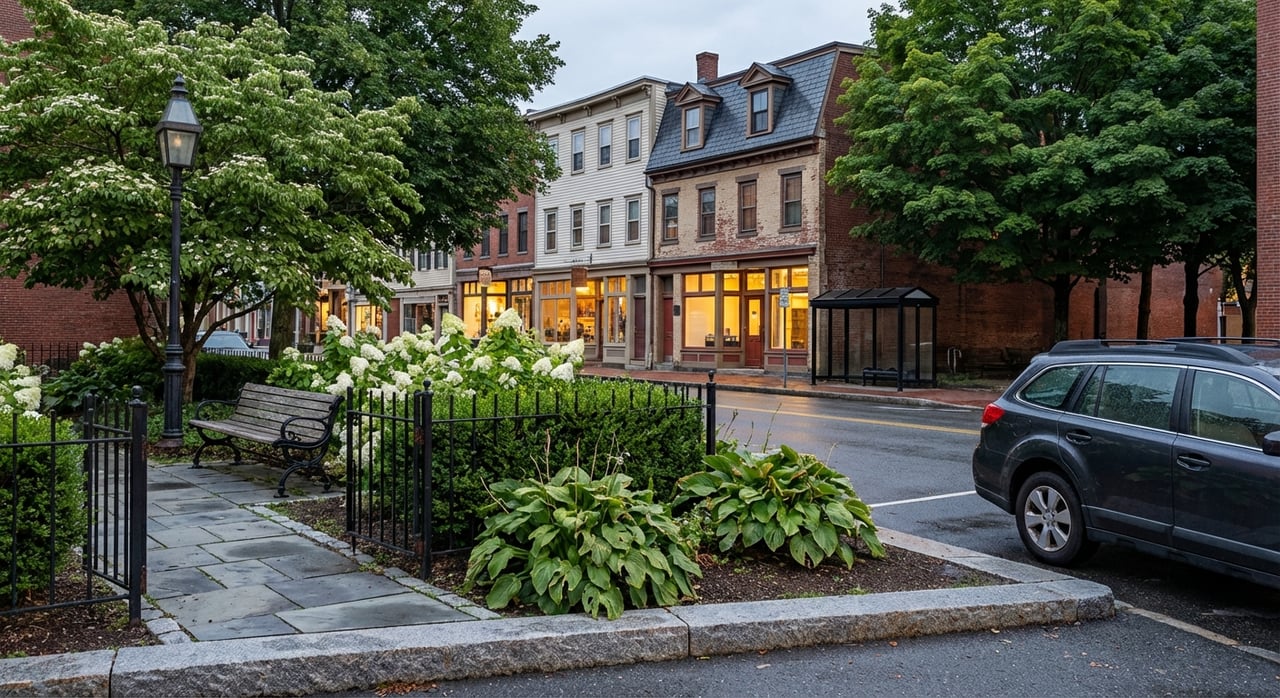
Brookline emphasizes walkable village life, with daily errands and dining clustered around Coolidge Corner, Brookline Village, and Washington Square. Many buyers value this urban-suburban mix, along with quick access to the Longwood Medical Area and academic employers. If you prefer quiet, tree-lined streets with larger private yards and still want a workable commute, Newton, Wellesley, Needham, and Belmont deliver a strong balance. If you want room to spread out and accept a longer drive or rail trip, Norfolk is a practical pick.
Property tax rates shift each fiscal year and vary by town. Always verify the current rate and any exemptions that may apply to you. For statewide context on FY2026 tax levies and rates, review the Massachusetts DOR overview and confirm the current year with the specific town’s assessor.
Choosing between Brookline and its neighbors is easier when you have current comps, transit-tested commute times, and a clear plan for your lot and lifestyle goals. Our team serves Greater Boston buyers and sellers with bilingual guidance in English and Mandarin, data-driven pricing, and concierge support from first tour to closing. If you are comparing specific addresses across these towns, connect with Sihong Chen for a tailored analysis and neighborhood-by-neighborhood strategy.
Stay up to date on the latest real estate trends.


Get assistance in determining current property value, crafting a competitive offer, writing and negotiating a contract, and much more. Contact me today.