Thinking about a condo in Brookline or Boston and wondering which path fits your budget, lifestyle, and resale goals? You are not alone. Both markets offer strong options, yet they differ in how fees are structured, how rules shape daily living, and how easily you can resell when plans change. In this guide, you will learn how to compare costs line by line, read the rules that matter, and judge resale potential with confidence.
Let’s dive in.
Condo fees: what to expect
Condo fees in Greater Boston cover shared costs like the building’s master insurance policy, exterior and structural upkeep, snow removal, common-area utilities, and often heat, hot water, or water and sewer. They also fund reserves for big-ticket items such as roofs, boilers, windows, and elevators.
Brookline fee patterns
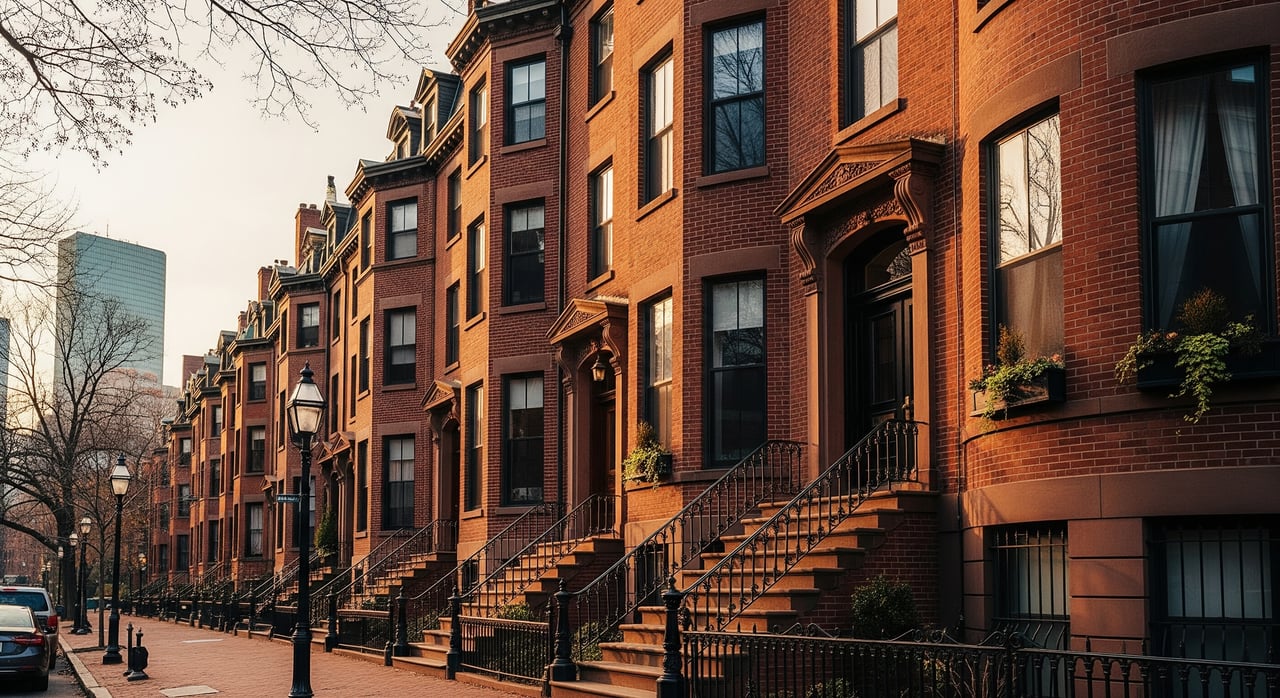
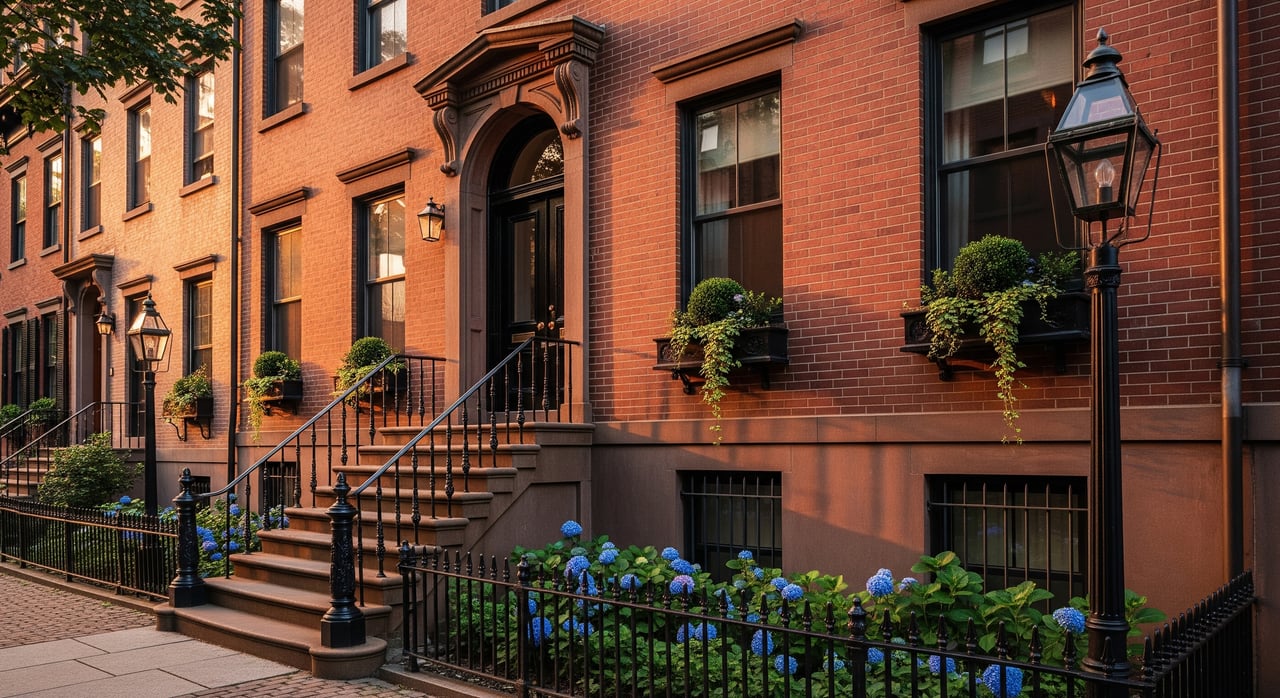
Brookline’s condo stock leans toward pre-war brownstone conversions, small walk-ups, and mid-sized elevator buildings. Many have modest amenity packages, which can keep monthly fees simpler. Smaller associations, though, may have thinner reserves, so you should check funding levels and any history of special assessments.
Boston fee patterns
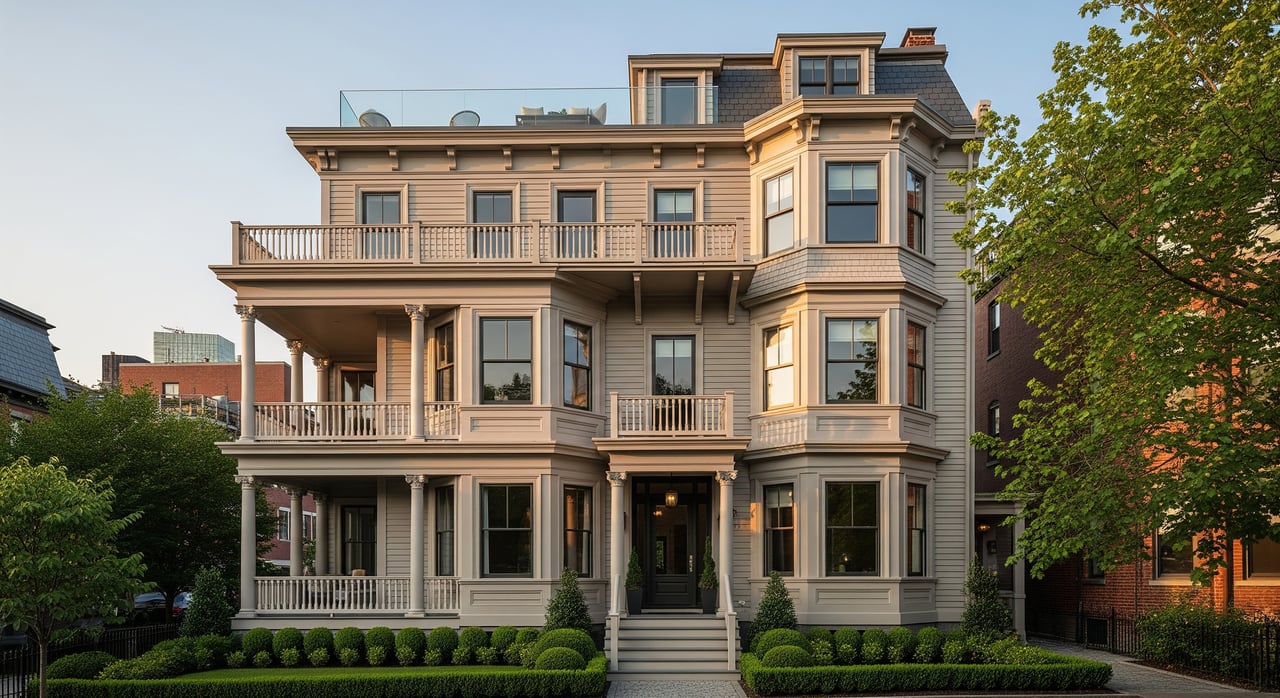
Boston neighborhoods mix older conversions with newer high-rise and luxury buildings. Newer towers in areas like Seaport or parts of the South End often include amenities such as concierge, gyms, and garage parking, which drive higher monthly fees. In return, you may see more professional management and clearer capital planning.
What drives fees up or down
- Amenity level, including doorman, gym, pool, or concierge services.
- Building size and unit count, since smaller associations share fixed costs across fewer owners.
- Building age and systems condition, which affect maintenance and capital needs.
- Whether utilities like heat and hot water are included in the fee.
How to compare two fee structures
- Calculate fee per square foot to normalize options.
- Confirm exactly which utilities are included in each building.
- Review the annual budget, year-end financials, and the latest reserve study.
- Check fee increase history and any recent or pending special assessments.
Reserves and assessments
A healthy reserve fund supports predictable ownership costs. Best practice is a periodic reserve study that outlines expected timelines and costs for major systems. You want to see a current study, a plan to fund it, and a clear track record of maintenance.
What to verify in any building
- Date of the most recent reserve study and key conclusions.
- Current reserve balance versus recommended funding levels.
- Upcoming capital projects and funding plan, whether through reserves, fee increases, or a special assessment.
- Special assessment history over the last 5 to 10 years.
Red flags to watch
- No recent reserve study and low or near-zero reserves.
- Repeated fee spikes or multiple special assessments in a short period.
- Systems at end of life without a documented plan to replace them.
- Pending litigation or gaps in insurance coverage.
Building types and amenities
Your day-to-day experience depends on building type, age, and amenities. These factors also shape fees and resale.
Brookline buildings
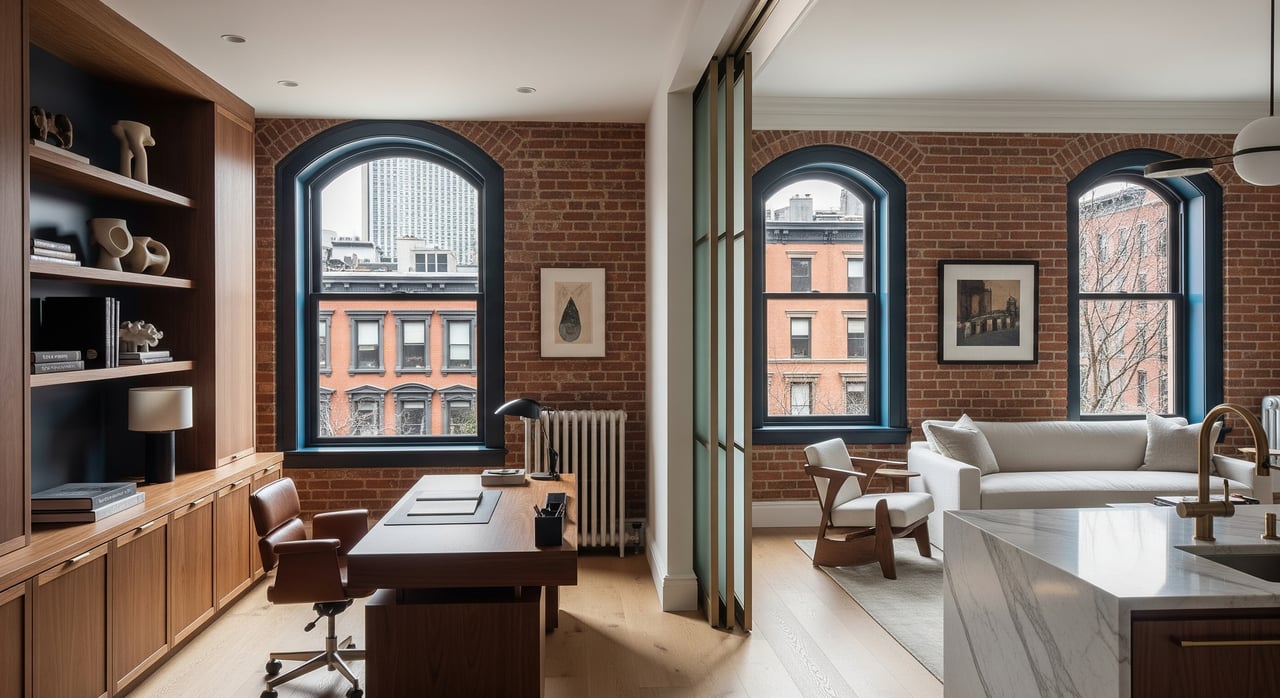
Expect many masonry brownstone conversions, classic brick walk-ups, and low- to mid-rise elevator buildings. Some newer infill projects along Brookline’s main corridors add elevators, parking, and, in select cases, concierge services. Layouts in conversions can be charming and irregular, with higher ceilings and varied room sizes.
Boston neighborhoods
- Back Bay, Beacon Hill, South End feature historic brownstones and luxury buildings with premium per-square-foot pricing.
- Seaport and parts of South Boston offer significant new construction, often with full amenity packages and higher fees that reflect staffing and services.
- Fenway, Jamaica Plain, and Allston-Brighton present a mix of student-oriented rentals, conversions, and newer condos, with pricing and liquidity tied to transit access and local demand.
Cost and upkeep implications
- Older conversions may offer character and larger rooms but can require more masonry, roof, and window work over time.
- Newer high-rises provide modern mechanicals and amenities, plus professional management, but monthly fees are usually higher to fund staffing and services.
Rules that affect daily life
Condo rules influence how you can use your home and how the building runs. In Massachusetts, the Condominium Act sets the framework for creation and governance. At purchase, you typically receive the master deed, by-laws, budget, house rules, and recent meeting minutes for review.
Key policies to review
- Owner-occupancy levels and any rental caps.
- Short-term rental rules and minimum lease terms.
- Pet policies and any size or breed restrictions.
- Parking and storage policies, including whether they are deeded or assigned.
- Insurance requirements for the master policy and your HO-6 policy.
Management and governance
Professional management can support consistent maintenance and planning, though it adds management fees. Review board meeting minutes from the last 12 to 24 months to understand recurring issues, upcoming projects, and how decisions are made.
Resale and liquidity
Resale depends on location, price band, building health, and buyer demand. Understanding these factors helps you choose a home that fits your timeline and exit strategy.
What tends to drive resale
- Transit access, such as the MBTA Green Line in Brookline and Red, Orange, or Green lines in Boston.
- Walkability and proximity to parks and services.
- Deeded parking and storage, which add marketability.
- Sound governance, transparent finances, and well-funded reserves.
- Price band, since entry and mid-price units often sell faster than ultra-luxury tiers.
Brookline demand profile
Brookline attracts long-term owner-occupiers who value a quieter residential feel with easy access to Boston. The local public school system is a motivator for some buyers, which can help support steady demand among owner-occupants. Investor concentration tends to be lower in many Brookline associations, which may help with certain types of financing and resale appeal to future owner-occupiers.
Boston demand profile
Boston draws a broad mix of buyers, including professionals, downsizers, and investors. Liquidity can vary by neighborhood and building type. Newer high-amenity buildings may command higher fees, which narrows the buyer pool to those who value convenience and services. Investor concentration can be higher in some city buildings, which may influence financing options and the building’s character.
Financing and approvals
Some loans require condominium project approvals. If you plan to use FHA or VA financing, check whether the project is approved before you fall in love with a unit. Lenders also look at owner-occupancy levels and whether any single owner controls a large number of units.
Decision framework
When comparing a Brookline condo with a Boston condo, use a simple framework to keep the decision clear.
Prioritize what matters
- Financial predictability, including fees per square foot, what the fee covers, and reserve funding.
- Lifestyle fit, including neighborhood feel, walkability, parks, restaurants, and transit.
- Long-term liquidity, including demand for your price point and nearby days on market.
- Risk mitigation, including insurance coverage, litigation status, and upcoming capital needs.
Side-by-side checklist
- Monthly HOA fee and each item it covers.
- Fee per square foot for an apples-to-apples comparison.
- Latest budget, year-end financials, and reserve study date and summary.
- Current reserve balance and planned capital projects with funding approach.
- Special assessments in the last 5 to 10 years.
- Association meeting minutes from the last 12 to 24 months.
- Owner-occupancy percentage and any single-owner concentration.
- Rental and pet policies, including short-term rental rules.
- Master insurance coverage plus your required HO-6 policy scope.
- Parking and storage details, and whether they are deeded.
- System ages for roof, boiler, windows, and elevators, with last or next replacement dates.
- Litigation status involving the association.
- FHA or VA project approval if relevant to your financing.
- Recent nearby comps and days on market to gauge pricing and momentum.
- Zoning, landmark constraints, or planned development that could affect value.
Buyer scenarios
Use these quick heuristics to filter choices based on what you value most.
Lower ongoing cost focus
If you want simpler buildings and smaller monthly fees, look at Brookline conversions and modest elevator buildings. Verify reserves carefully to avoid surprises.
Amenity and convenience focus
If you want on-site staff, garage parking, and fitness options, consider newer Boston buildings. Expect higher monthly fees that fund services and staffing, often balanced by professional management and clearer maintenance planning.
Resale and broad appeal focus
If you care about a smooth exit, prioritize locations near transit, buildings with higher owner-occupancy, modest and well-explained fees, and strong reserve funding. Deeded parking and storage will help your listing compete when it is time to sell.
How to move forward with confidence
A clear, data-first review of budgets, reserves, rules, and comps will help you choose between Brookline and Boston with confidence. If you want bilingual guidance and a concierge process, our team can organize the condo documents, financials, and market data you need, then negotiate with your goals front and center.
Ready to compare specific buildings, line up tours, and pressure-test the numbers? Connect with Sihong Chen for local, data-driven support.
FAQs
What do condo fees usually include in Brookline and Boston?
- Fees often cover the master insurance policy, exterior maintenance, snow removal, common-area utilities, and sometimes heat, hot water, or water and sewer, plus reserves.
How do Brookline condo fees compare to Boston high-rises?
- Brookline conversions and smaller buildings may have simpler amenities and potentially lower fees, while Boston high-rises often charge more to fund concierge, gyms, and garage staffing.
Which rules most affect daily life in these condos?
- Owner-occupancy and rental policies, pet rules, parking and storage terms, and short-term rental restrictions are key items to review in the condo by-laws and house rules.
Why do reserves and special assessments matter for buyers?
- Strong reserves reduce the risk of special assessments, while low reserves or no recent reserve study can mean higher future costs when major systems need replacement.
How do location and transit affect resale in Brookline and Boston?
- Proximity to MBTA lines, walkability, and deeded parking typically improve marketability and can shorten days on market across both Brookline and Boston.
Do owner-occupancy levels affect financing and resale?
- Yes, some lenders limit financing in buildings with low owner-occupancy or high single-owner concentration, which can also impact resale appeal to future buyers.