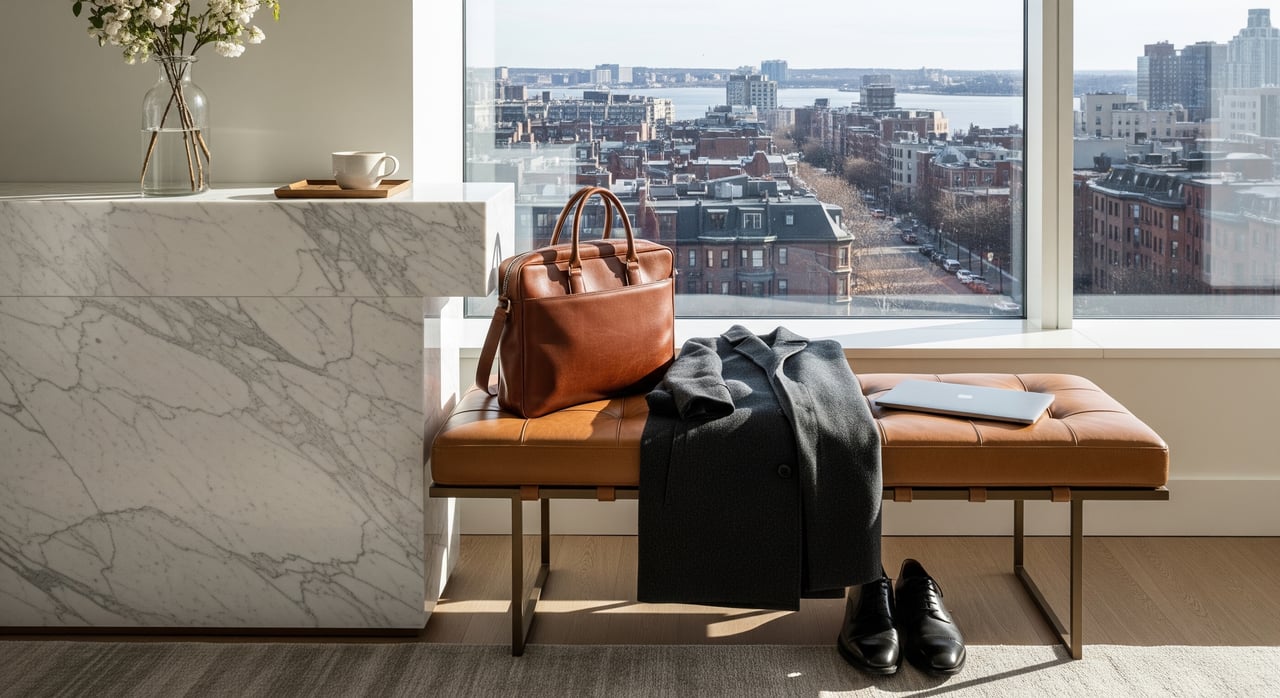
Boston vs Brookline: Daily Life for Busy Professionals
February 5, 2026
February 5, 2026
Trying to choose between Boston and Brookline for your Monday-to-Friday life? You want quick commutes, a comfortable home base, and easy access to gyms, parks, and great food. Both places deliver, but in different ways that matter when your calendar is full. In this guide, you will see how commute options, housing styles, walkability, green space, and culture compare so you can match a neighborhood to your routine. Let’s dive in.
If your office is in or near downtown, Back Bay, or the Seaport, living in Boston can shorten your commute. The city connects to the Red, Orange, Green, and Blue lines, plus commuter rail and bus networks that center on South Station and North Station. You can review routes and schedules on the MBTA site. In compact neighborhoods like Back Bay, the Financial District, and the North End, many professionals walk or take a short transit ride to work.
Brookline is served mainly by the Green Line C and D branches plus several bus routes. Coolidge Corner, Washington Square, and Brookline Village offer easy access to Green Line stops, which provide direct service into Back Bay and downtown. Commute times often depend on Green Line frequency and whether you need a transfer. If you work by Copley or in the Financial District, the ride can be simple and predictable when trains are on time.
Driving in Boston means navigating congestion on central corridors and limited garage or street parking in core neighborhoods. If you must drive daily, confirm the availability and cost of a parking space near both home and office. Brookline has more residential streets and a permit system for residents, but inbound and outbound flows can create delays on Beacon Street and Washington Street. Always check the latest parking rules on the town’s website if car ownership is a factor.
For short trips, biking can be efficient across both communities. Bluebikes stations are dense in Boston and extend into Brookline and the Fenway area. Protected lanes are increasing in Boston and exist on some Brookline corridors. If you are comfortable biking year-round, this can be a reliable back-up to train or car.
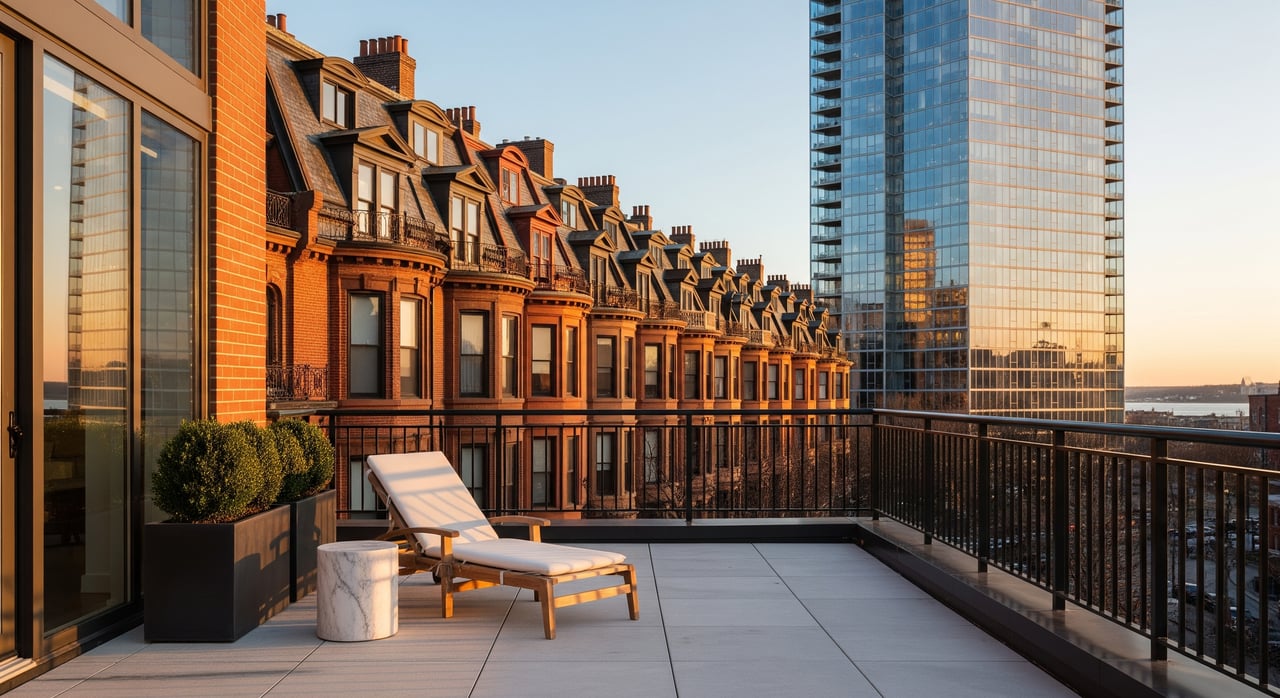
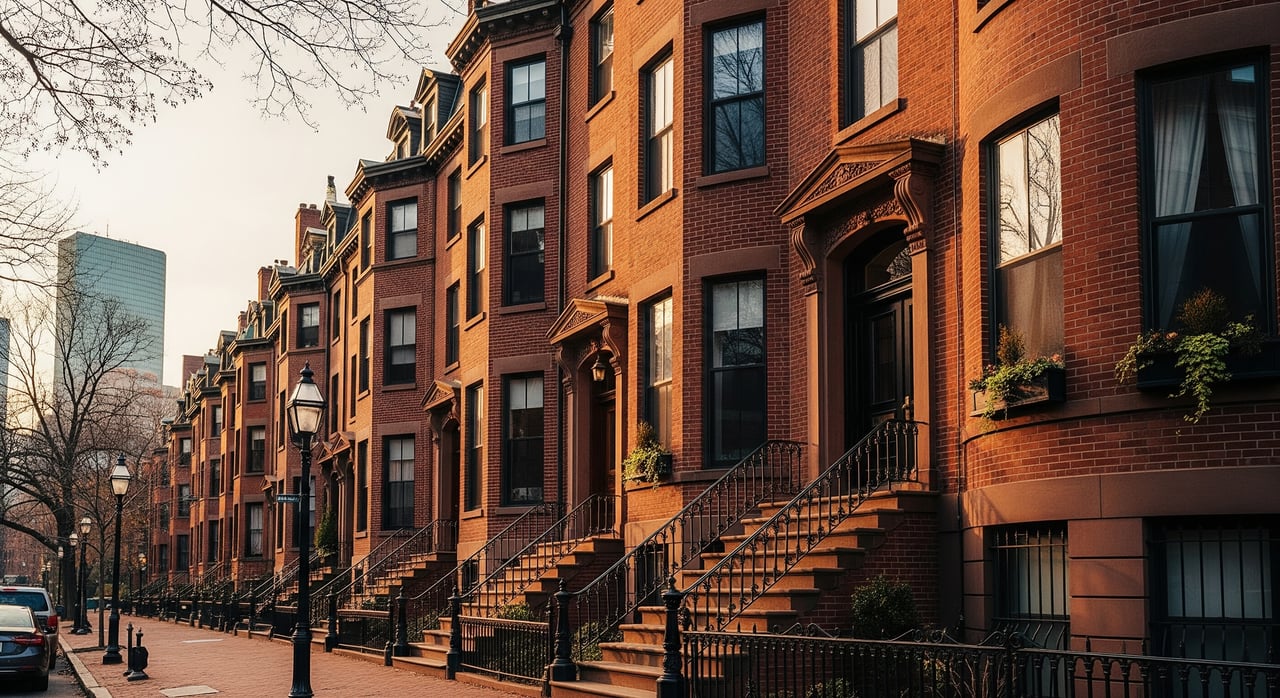
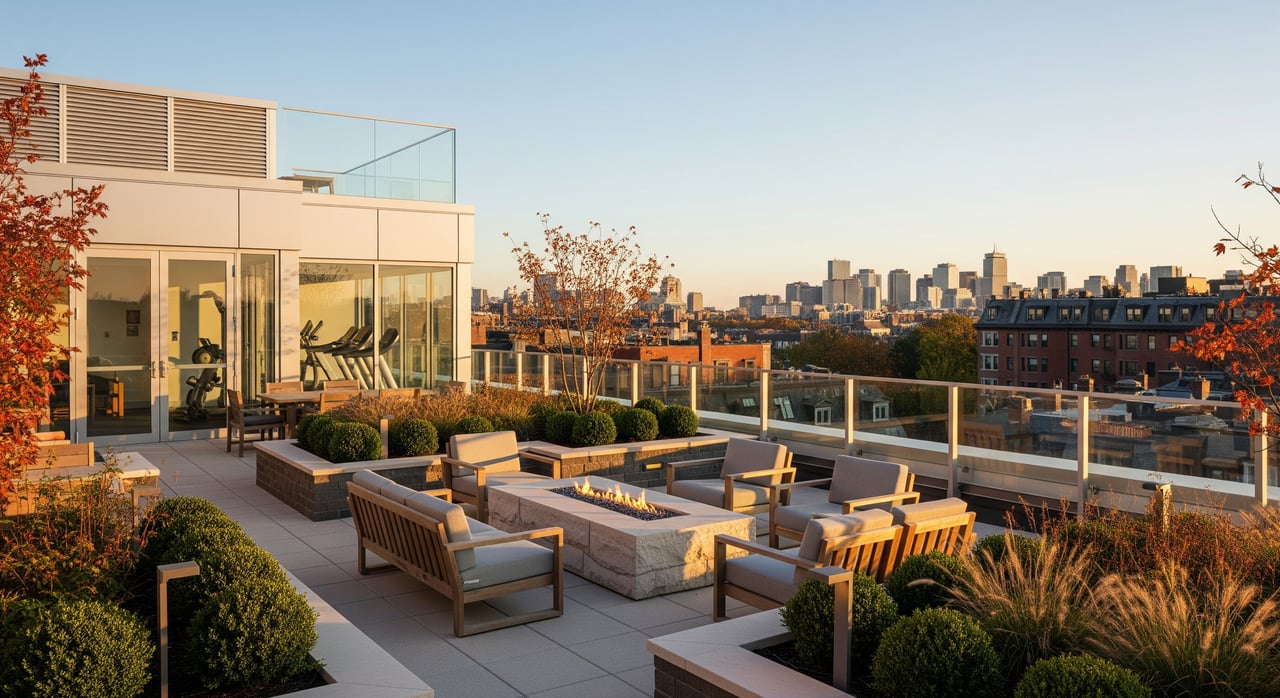
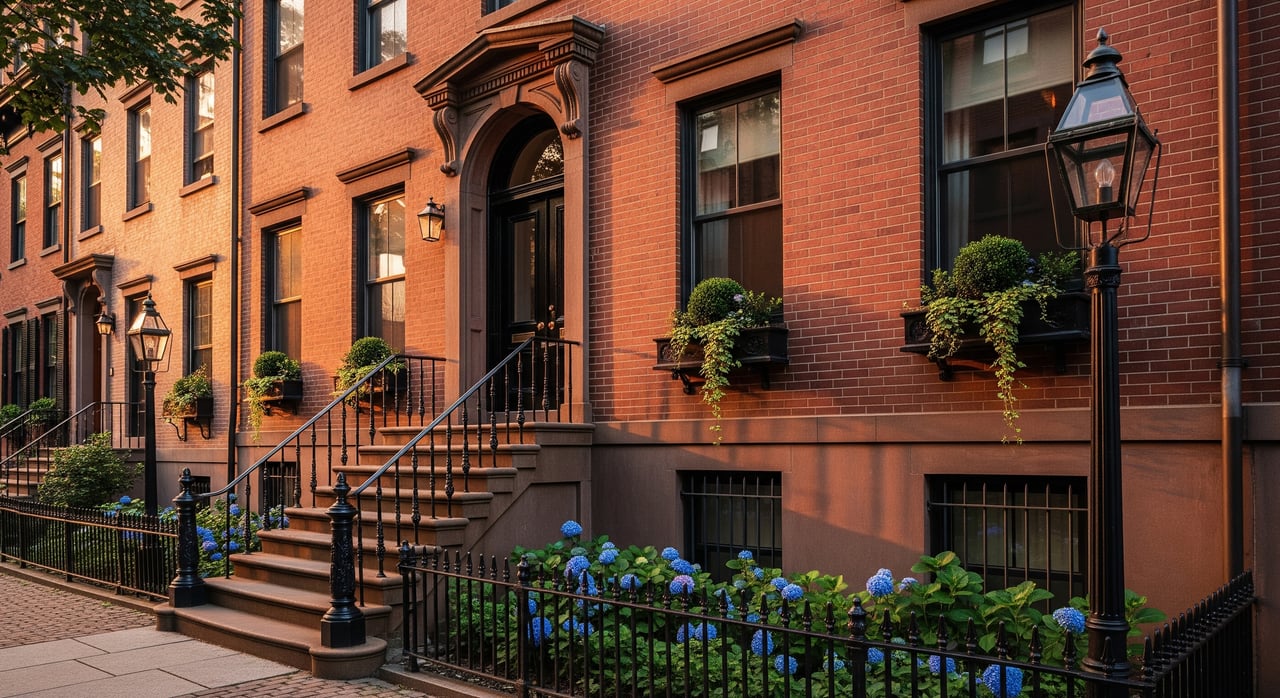
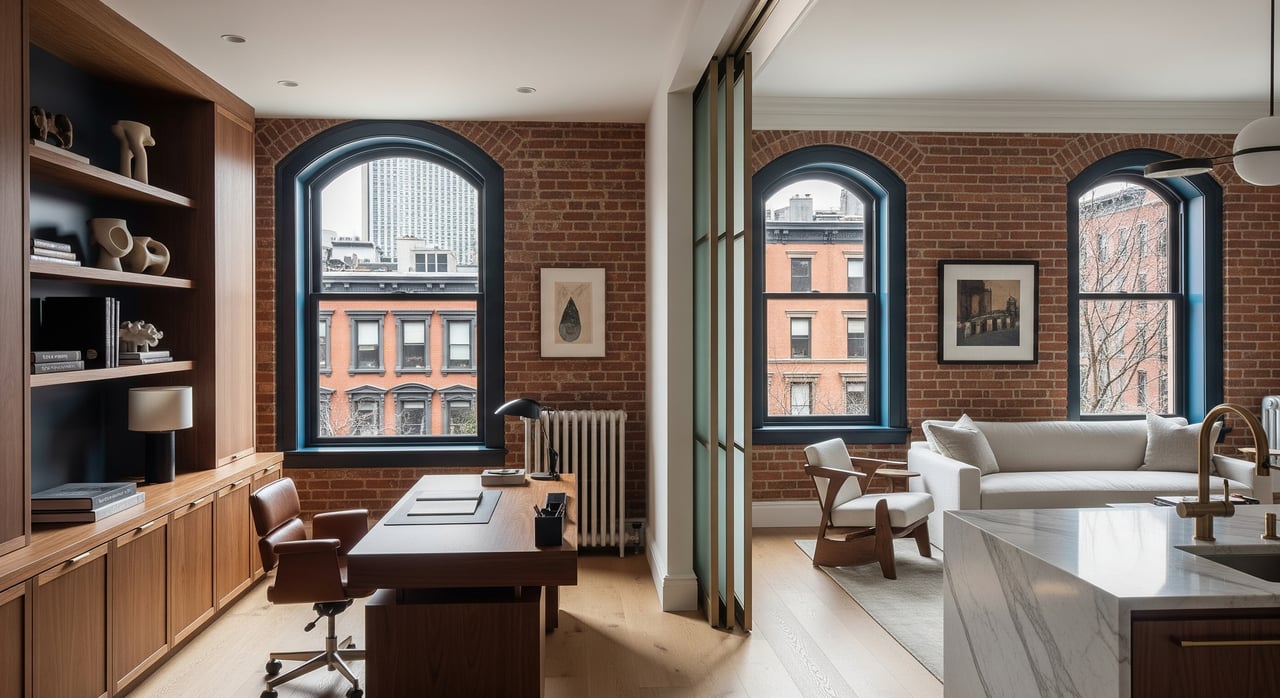
Boston’s housing stock is diverse. You will find historic brick rowhouses and brownstones in Back Bay and the South End, triple-deckers and multifamily homes in neighborhoods like South Boston and Dorchester, and luxury high-rises in the Seaport and Downtown. Many busy professionals choose smaller condos with strong location and building amenities to minimize commute time.
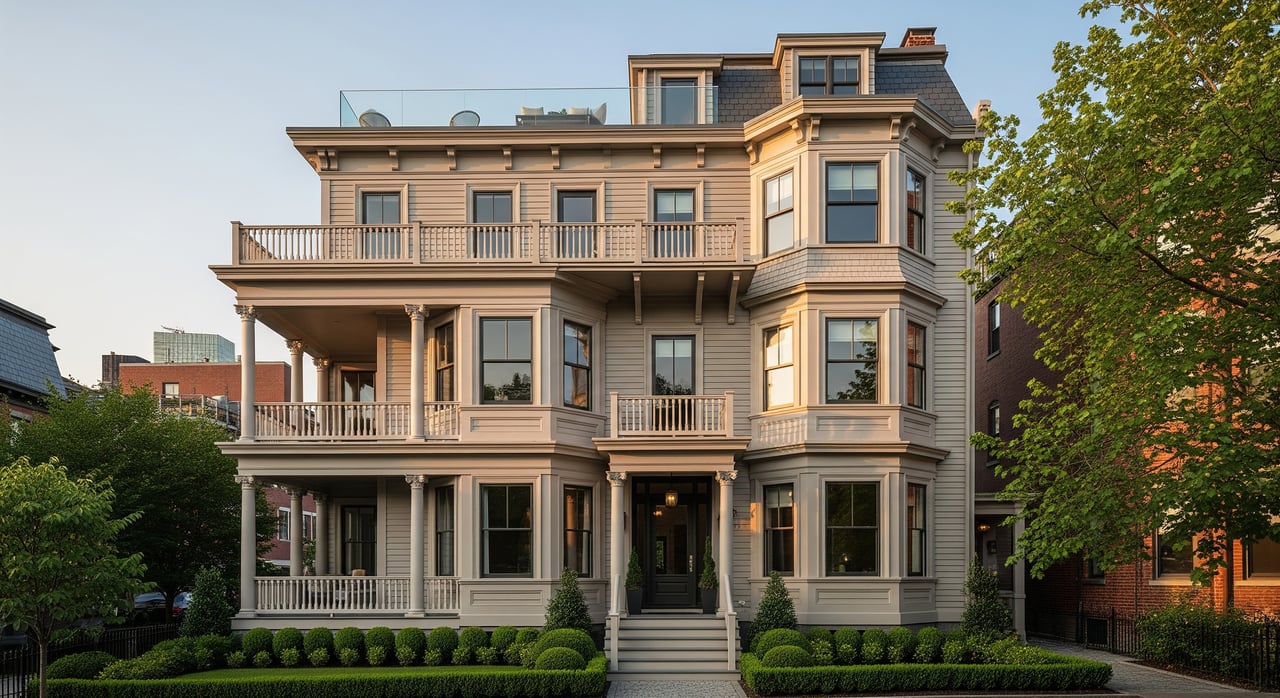
Brookline leans residential, with Victorian rowhouses, single-family homes in certain sections, garden-style condos, and small to mid-size apartment buildings. Coolidge Corner and Washington Square mix shops and cafés with walk-up apartments above retail. You may find larger layouts here compared with similarly priced Boston condos, especially in buildings a bit farther from train stops.
Your tradeoff is usually space versus proximity. Boston offers access to more jobs and nightlife, often at a higher price per square foot in central areas. Brookline often delivers more residential space and a quieter street feel, paired with a slightly longer or transfer-based commute in some cases. If you plan to keep a car, Brookline’s residential parking structure can be more manageable than garage hunting in downtown Boston, but you still need to confirm available on-street or off-street parking.
Grocery, package, and food deliveries are reliable across both communities. Many Boston condo buildings have package rooms or staff who manage deliveries. Brookline setups vary by building; some smaller associations rely on individual unit delivery. If you receive frequent shipments, ask about package policies, storage, and access.
Central Boston neighborhoods rank among the most walkable in the state, with dense retail, cafés, gyms, and services close together. Brookline’s Coolidge Corner and Brookline Village are also highly walkable and feel like self-contained village centers. For block-level ratings, compare Boston’s Walk Score overview with Brookline’s Walk Score overview. A quick visit at rush hour and on weekends can help you sense real-world flow.
Boston’s park system gives you options for morning runs and weekend resets. The City of Boston Parks and Recreation network includes Boston Common and the Public Garden, the Esplanade along the Charles River, and the Emerald Necklace designed by Frederick Law Olmsted. Brookline complements this with its own green spaces, including Larz Anderson Park and Brookline Reservoir Park, plus access to segments of the Emerald Necklace. For current park, transportation, and parking information, visit the Town of Brookline’s website.
From the North End and Chinatown to the Seaport and the South End, Boston offers extensive dining and late-evening options. Cultural institutions are a short transit or rideshare trip away. You can plan an evening at the Museum of Fine Arts, check out a performance near Symphony Hall, or catch an event downtown after work.
Brookline centers like Coolidge Corner and Washington Square offer a curated mix of cafés, bakeries, restaurants, and neighborhood bars that are easy to frequent during the workweek. Nights tend to be quieter than downtown Boston, which many professionals appreciate when they want to recharge at home. If you want a bigger night out, a quick Green Line ride puts you back in Boston’s theater or restaurant districts.
Brookline is an independent town that borders Boston on multiple sides, with its own government, schools, permits, and taxes. This municipal difference affects day-to-day life, including resident parking permits, renovation rules, and trash or snow removal schedules. Demographics, housing stock, and household income levels differ between the two as well. For an overview of community-level data, you can browse the U.S. Census Bureau’s QuickFacts.
Safety varies by street and block in any city or town. Review public data before you decide. For Boston neighborhoods, see the City of Boston’s site for police and crime data resources. For Brookline, consult the town’s website and police department pages at the Town of Brookline site. Pair this research with an on-the-ground visit at different times of day.
Tradeoffs: You often get smaller living spaces and more street activity, but you gain time back by living close to work and amenities.
Tradeoffs: You get a strong neighborhood feel and often more space, with commutes that may include a transfer or a longer train ride.
Choosing between Boston and Brookline is personal and practical. You want a home that fits your work rhythm, weekend plans, and budget without adding friction. Our team helps you compare micro-neighborhoods, preview commute routes, and evaluate buildings, parking, and association rules so you can make a confident choice. We also offer bilingual guidance for Mandarin-speaking clients and tailored market data to back every decision.
If you want a clear, side-by-side plan based on your office location, lifestyle goals, and pricing comfort, connect with Sihong Chen for a local, data-led strategy.
Stay up to date on the latest real estate trends.
Get assistance in determining current property value, crafting a competitive offer, writing and negotiating a contract, and much more. Contact me today.